Job hunting situation for Aogaku 2025
2025.11.27
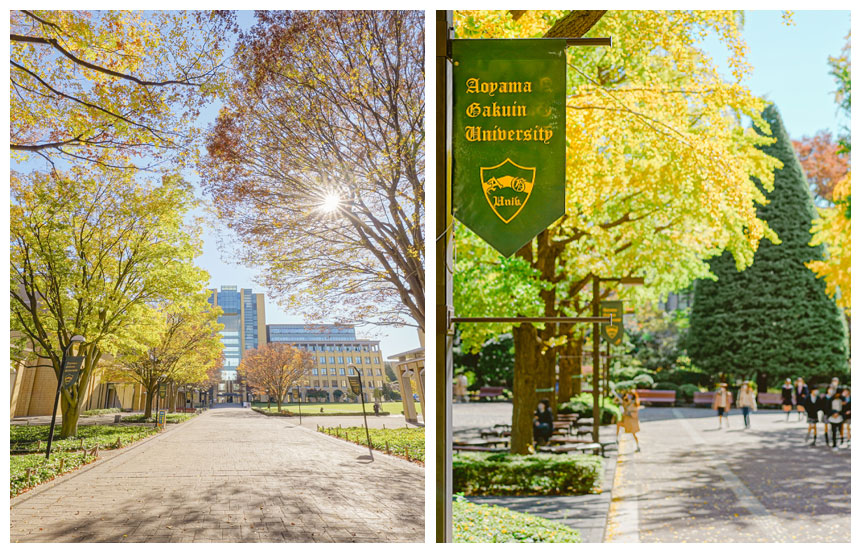
At Aoyama and Sagamihara campuses
Current state of career support
— "Meeting with recruiters in charge of hiring new graduates"
From "2025"
With more companies aiming to secure talented young personnel early on, and job hunting becoming earlier and longer-term, how are Aogaku managing their job search while balancing it with their studies? On Wednesday, October 15th, career support staff from Aoyama Gakuin University and over 300 new graduate recruitment personnel from companies gathered at Sagamihara Campus (with some online participation) to share information on the current state of job hunting among Aogaku, how to cope with the earlier job search, and their views on internships.
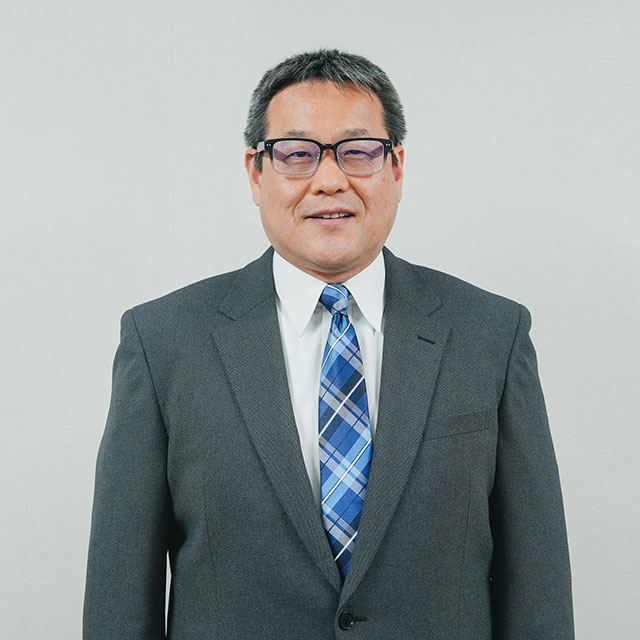
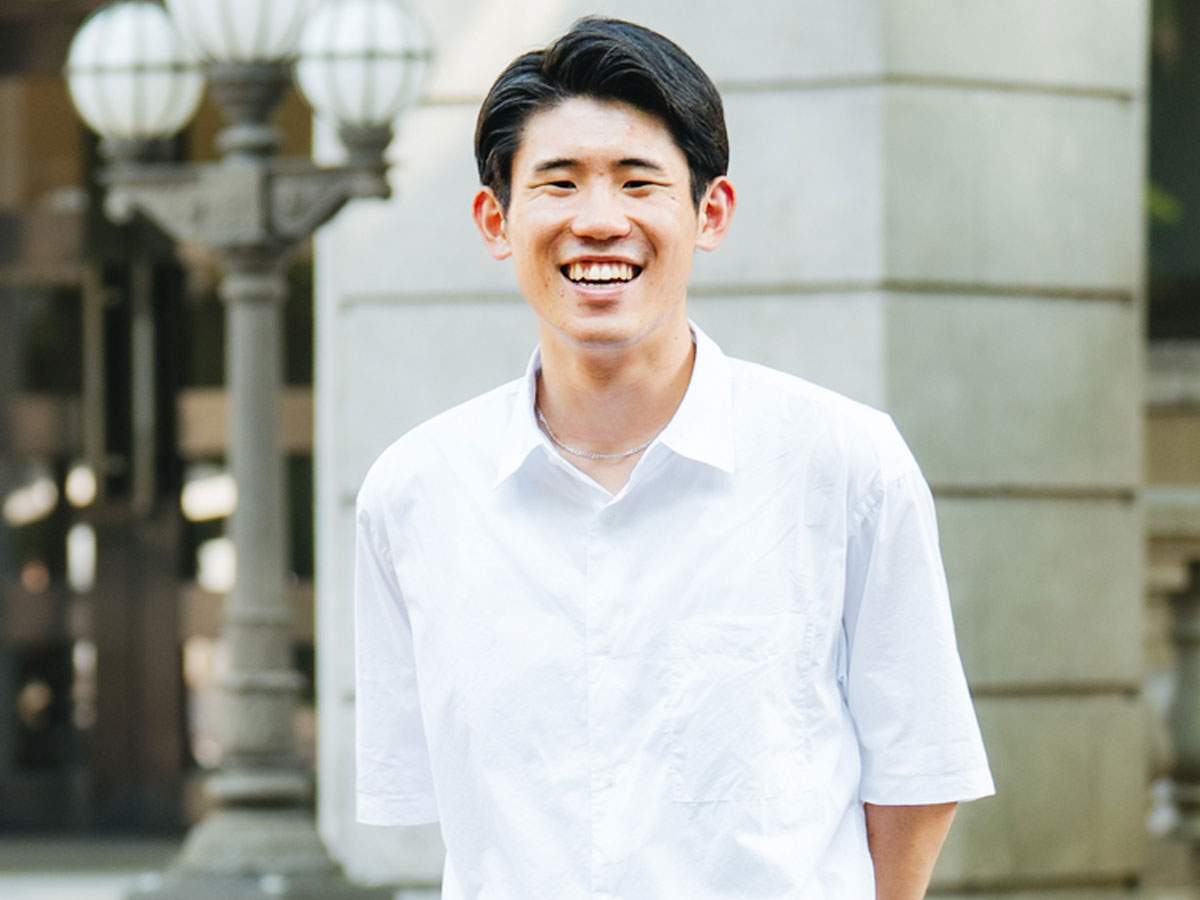
Career Guidance and Employment Center (Aoyama Campus)
Career Planning and Placement Department General Manager
Noboru Hirai
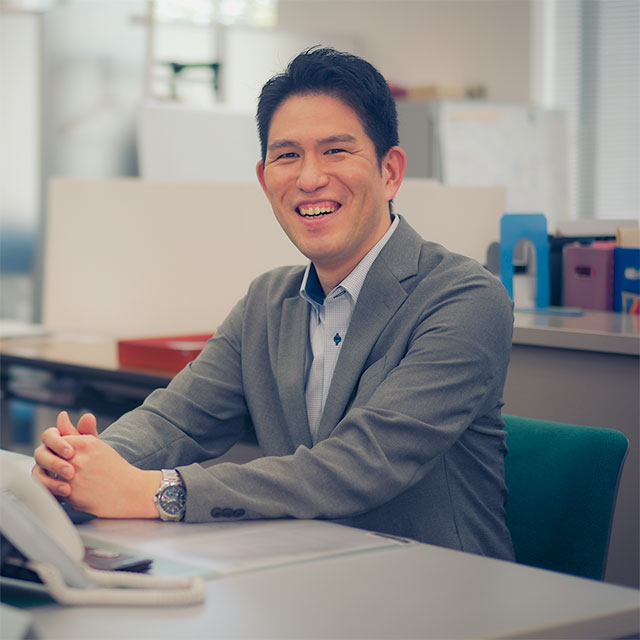
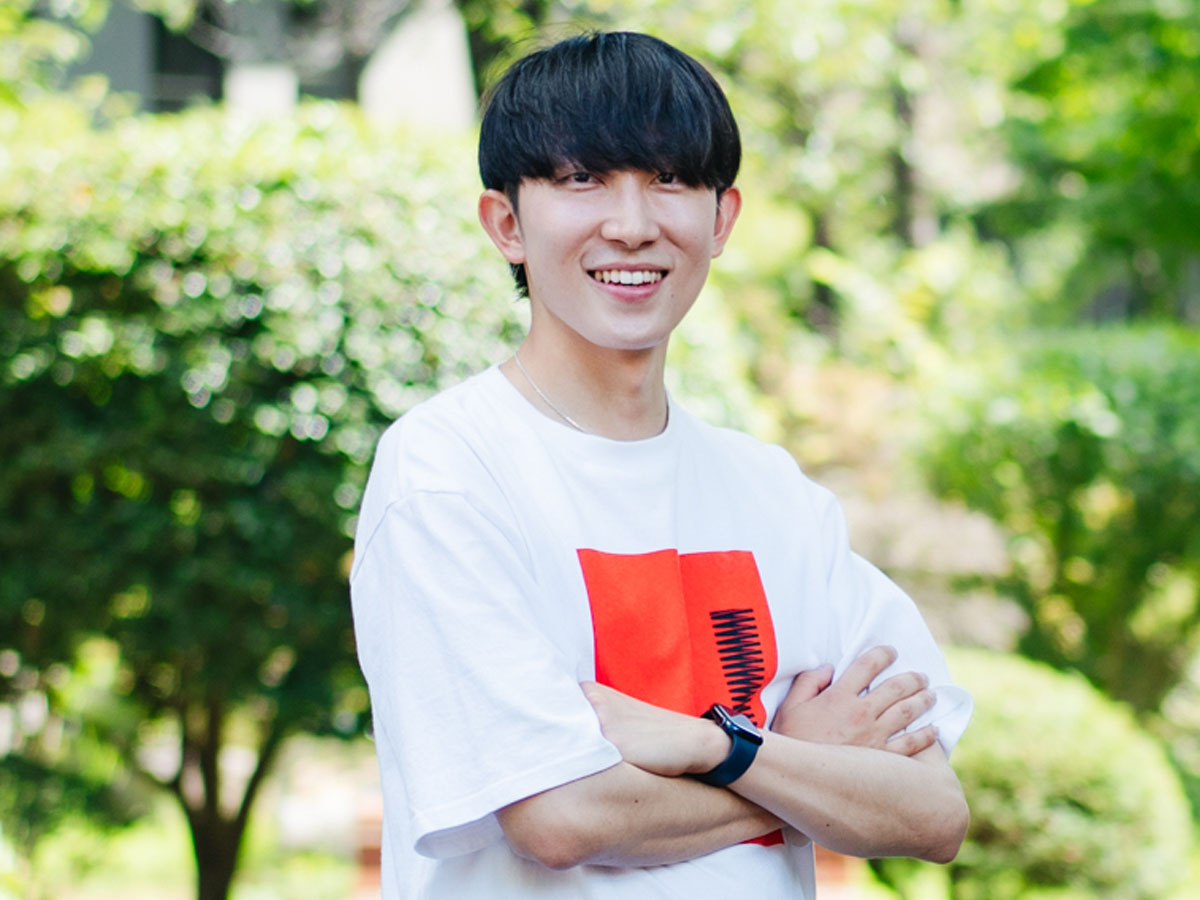
Career Guidance and Employment Center (Sagamihara Campus)
Sagamihara Campus Administration Department, Career Guidance and Employment Section Manager
Yoshihiro Sekiguchi
■ Job-hunting trends and timing of job-hunting activities among Aogaku
Aoyama Campus (Hirai)
In recent years, since the COVID-19 pandemic, the hiring situation for university graduates has been on the rise, and the trend of a seller's market for new graduates continues. Graduates of our university are most likely to choose career paths in information and communication (IT), finance and insurance, retail, and manufacturing, in that order. They are also active in a wide range of fields, including consulting and the traditionally popular aviation and tourism industries.
The rate of students deciding on their future career paths in 2024 exceeded that of the previous year, and the percentage of students advancing to graduate school also increased by 2.1% to 11.4%. This indicates a slight increase in humanities students, as well as a very high level of motivation among College of Science and Engineering students to pursue further education. The current job hunting season is significantly different from that of the parents' generation and has started considerably earlier, driven by companies' desire to secure talented students early on. As a result, a style is becoming increasingly common where students and companies connect from an early stage, starting in the summer of their third year of university, through internships (including open company programs and career education), effectively beginning the selection process.
Based on these trends, our Career and Employment Center is working to guide students and plan and hold events. For example, at Aoyama Campus, the job-hunting seminar, which was previously held in April of the third year (first year of graduate school), was held at the end of March 2025 for second-year students. Approximately 650 students attended in person and about 350 online, for a total of 1,000 students. Some students are preparing from their early years by gathering various information and preparing for tests, with an awareness of the earlier recruitment and participation in internships. It seems that students are narrowing down their choices of companies at the internship stage earlier than in previous years. After receiving a job offer, many students are busy with graduation research and completing unfinished tasks in preparation for graduation, but some students continue their job search in search of greater satisfaction. We are concerned that some students are experiencing "job-hunting fatigue" due to the earlier and longer job-hunting period, but we will continue to listen to students' voices and provide support so that they can achieve their desired career and employment choices while enriching their campus life.
Sagamihara Campus (Sekiguchi)
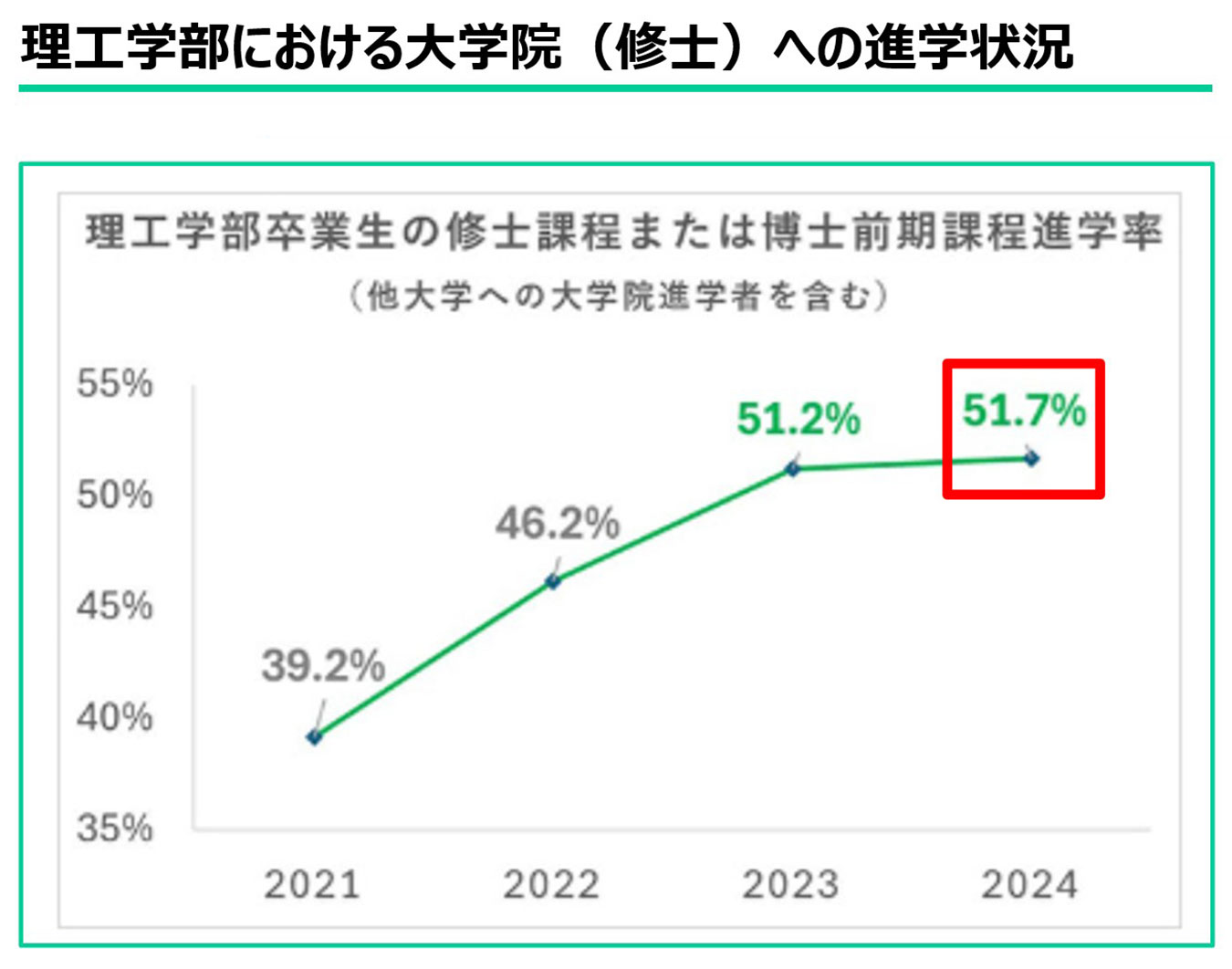
In College of Science and Engineering, the rate of students advancing to the Master's program has exceeded half of the total student body for two consecutive years, in 2023 and 2024. The majority of these students are advancing to the university's graduate school. In order to conduct cutting-edge research and cultivate engineers who can immediately contribute to the workforce, we hold graduate school information sessions as part of career support, anticipating a "four-year undergraduate program + two-year master's program" enrollment. On the other hand, given that Sagamihara Campus has a larger proportion of humanities students, we provide career support tailored to both humanities and science students. In recent years, there has been a trend towards "earlier" job hunting, and students tend to become aware of employment from their early years in university.
At Sagamihara Aoyama, we held an online career guidance session at the beginning of the academic year for third-year undergraduate students (first-year master's students). Many students from Sagamihara campus participated, and while we explained how to proceed with job hunting and the job hunting schedule, we were also reminded of their high level of awareness regarding employment. Along with the trend of "early job hunting," we are also seeing a "prolonged" job hunting period, where students continue their search for a job that matches their preferences in terms of job content, salary, and work location. In this situation, we are providing meticulous support so that each student can choose a career path that they are satisfied with.
■Key points for Aogaku when choosing a company
Aoyama Campus (Hirai)
In recent years, students have shown a strong tendency to place great importance on "work location and work environment" when it comes to job hunting.
While many students seem to want to work without significantly changing their current lifestyle, a considerable number also seek fulfilling work, opportunities for growth, and a rich, fulfilling lifestyle that suits them. For example, they might aim for overseas assignments, utilizing the English skills they cultivated at this university. A strong awareness of career development is also prevalent, with an increasing number of students prioritizing post-employment benefits, support for obtaining qualifications, and the availability of career advancement programs. Furthermore, many students try to assess the personality and corporate atmosphere of company representatives through internships and the selection process.
This attitude suggests a desire to find an environment that suits them, not just one that meets their basic requirements. However, while some students efficiently gather information using social media and the internet during their job search, they are not very good at broadening their perspective based on that information. As a result, securing a job offer becomes the sole objective, and self-analysis and industry research tend to be insufficient. We advise students to look at the "connections" with related industries and other companies based on the information they gather, and to gather information from a wide range of sources. By broadening their perspective, they can encounter unexpected fields and companies, and the possibility of finding a future that suits them increases. Regardless of whether they are humanities or science students, I believe this attitude is one of the important points to consider when thinking about their career path.
Sagamihara Campus (Sekiguchi)
When students choose a job, they cite factors such as "job content" and "fulfillment," as well as "benefits" such as salary and work location. There is a growing tendency for students to think realistically about their careers, looking five or ten years into the future. On the other hand, more and more students are using recruitment agencies when choosing a company. If used effectively, it can increase the likelihood of a smooth job search, but unfortunately, there are cases where students become too reliant on the agency, neglecting company and industry research, and as a result, end up with a mismatch.
In job hunting, it's crucial to envision your future through self-analysis and industry understanding, and to have a clear sense of your own will and ideal future. Students who adopt such a proactive attitude seem to ultimately achieve more satisfying results. Remember that receiving a job offer is not the goal, but merely the starting point of your career development, and I hope you will continue to expand your possibilities.
■ How do you approach "internships," which can be the starting point of job hunting?
Aoyama Campus (Hirai)
For students aiming for employment at companies, participation in an internship during their third year of university often marks the de facto start of the selection process. Students with a clear career path at this point tend to seek internships in their desired industry. On the other hand, students still exploring their career options tend to apply to a wide range of companies, primarily well-known corporations, sometimes applying to around 10 companies. However, depending on the industry and company, the selection process can be even more competitive than the main selection process, and many students experience anxiety and a decline in motivation when they are not selected. Nevertheless, while internships are an effective part of the job-hunting process, there is no need to panic at this stage. Even students who participate with a clear goal may change their minds after gaining actual work experience, and such doubts and changes are actually necessary processes to prevent mismatches. Students at Aoyama campus also have a strong desire to learn about the realities of the industries and companies in which they may potentially work, and they hope to interact with employees and receive advice that will help them in their career choices and growth after joining a company.
However, balancing internships with academic studies is also important. Humanities students, too, have important experiences in their university life such as seminar activities, graduation thesis preparation, club activities, and part-time jobs, and we do not want them to sacrifice these. The Career Guidance and Employment Center has established participation guidelines that take into account the balance with academics, and we instruct students to participate not blindly, but with a relaxed schedule and by judging the necessity themselves. Furthermore, in recent years, the rate of students advancing to graduate school has been gradually increasing even in humanities faculties, which can be seen as a reflection of society's demand for highly specialized personnel. In the future, we would like to focus even more on supporting graduate students, including doctoral students, in their job search, and carefully support the career development of each individual student.
Sagamihara Campus (Sekiguchi)
We understand that many students are considering participating in internships to make their job search smoother. Today's students are busy with academics, extracurricular activities, part-time jobs, and other commitments. While most students participate in internships around the summer of their third year of undergraduate studies (or first year of graduate school), we feel that participating in a program lasting several days during the academic term is difficult given their schedules. In particular, the second semester of the third year for science and engineering students is a crucial time for choosing a research lab, and academic workloads tend to become very heavy. We have heard from students that one-day programs are not fulfilling enough and that they would like to participate in more challenging programs, but the university does not allow students to miss classes to participate in internships. We are in a very complicated position regarding this situation. We would like to work with companies to create flexible program structures and arrangements that prioritize academics, such as a "hybrid format" combining in-person practical training with online information sessions for programs lasting several days.
If you are unsure or anxious about participating, please do not make the decision on your own, but instead visit our Career and Employment Center. We will listen attentively to your individual circumstances and strive to provide the best possible advice. We are committed to continuing to support each student in maximizing their potential so that we can produce many individuals who will forge the future from our university.
Job Hunting Interview (AGU LiFE)




*The years of employment, Position, activities, etc. of the people featured are, in principle, those at the time of the interview, unless otherwise noted.