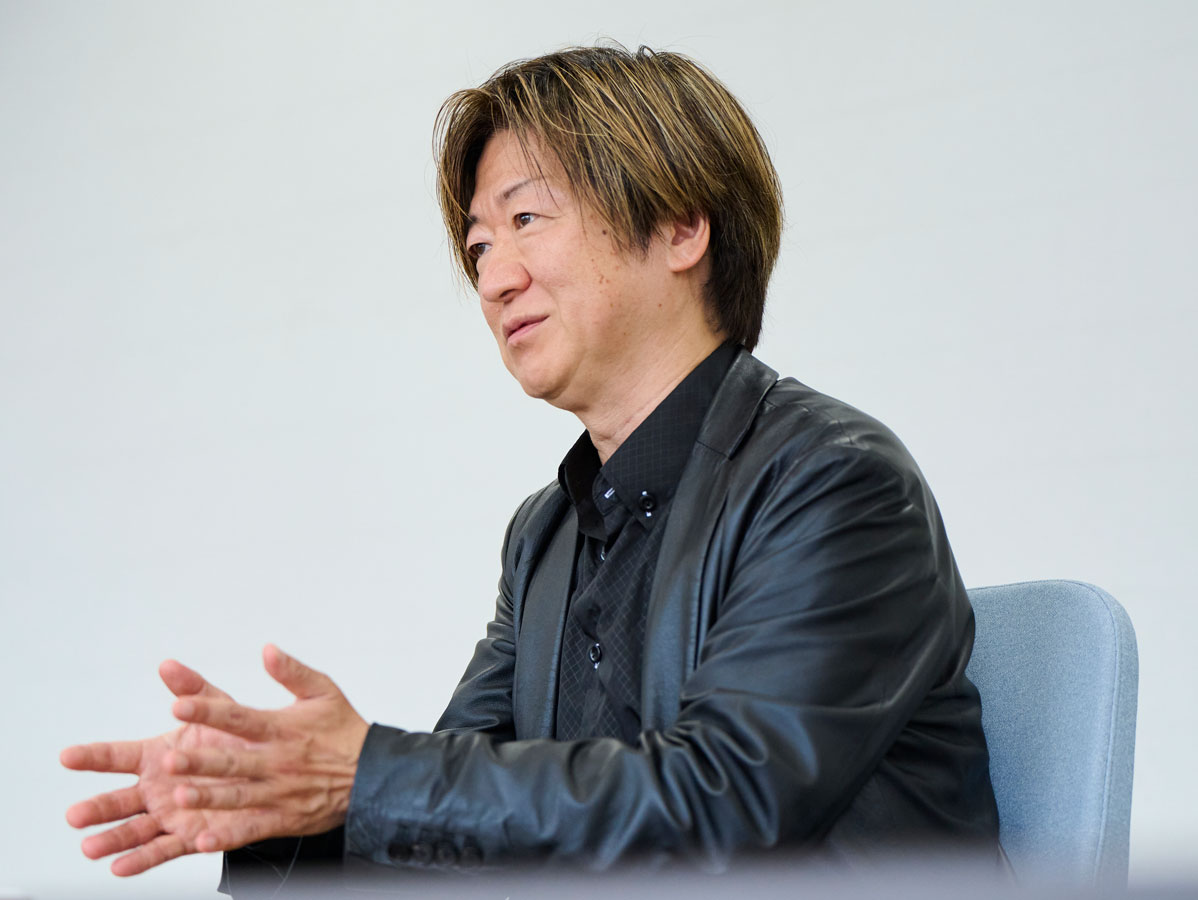
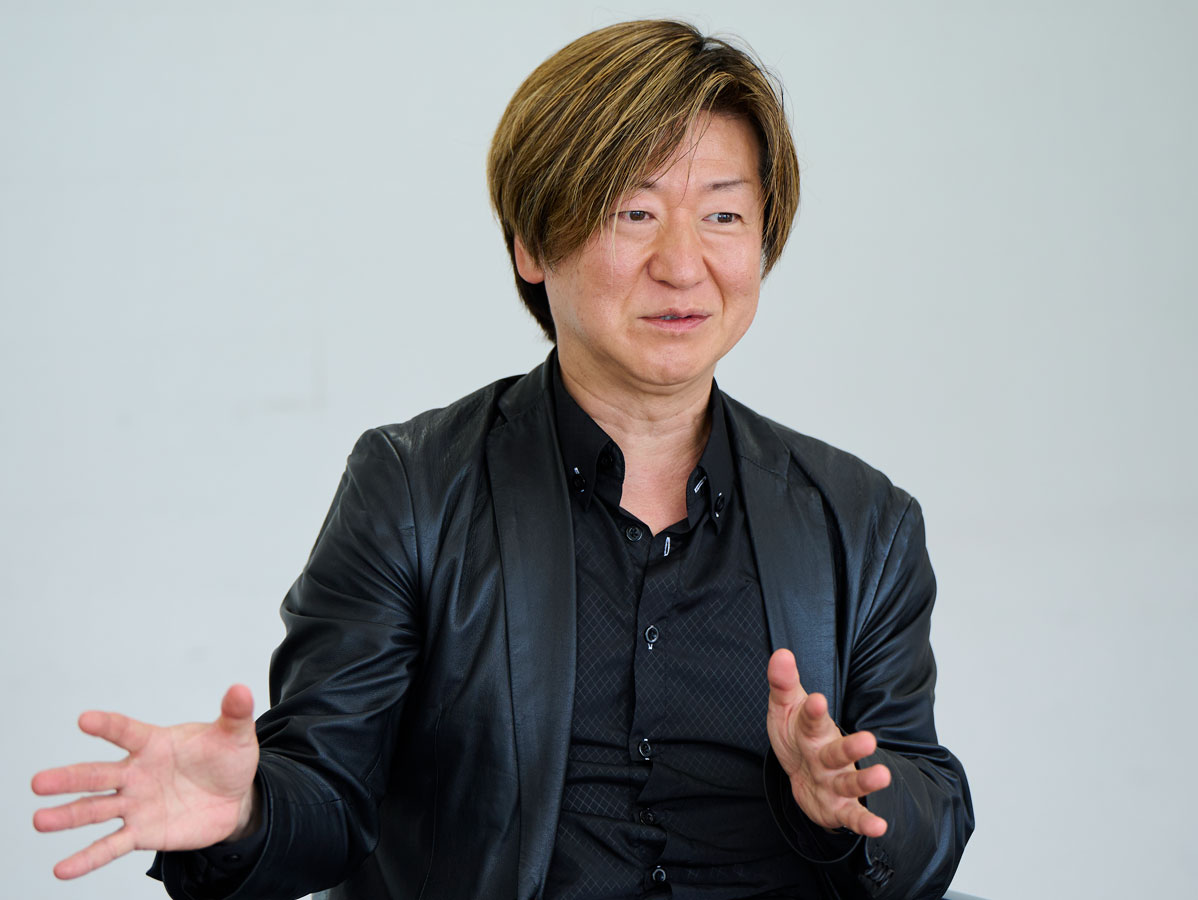
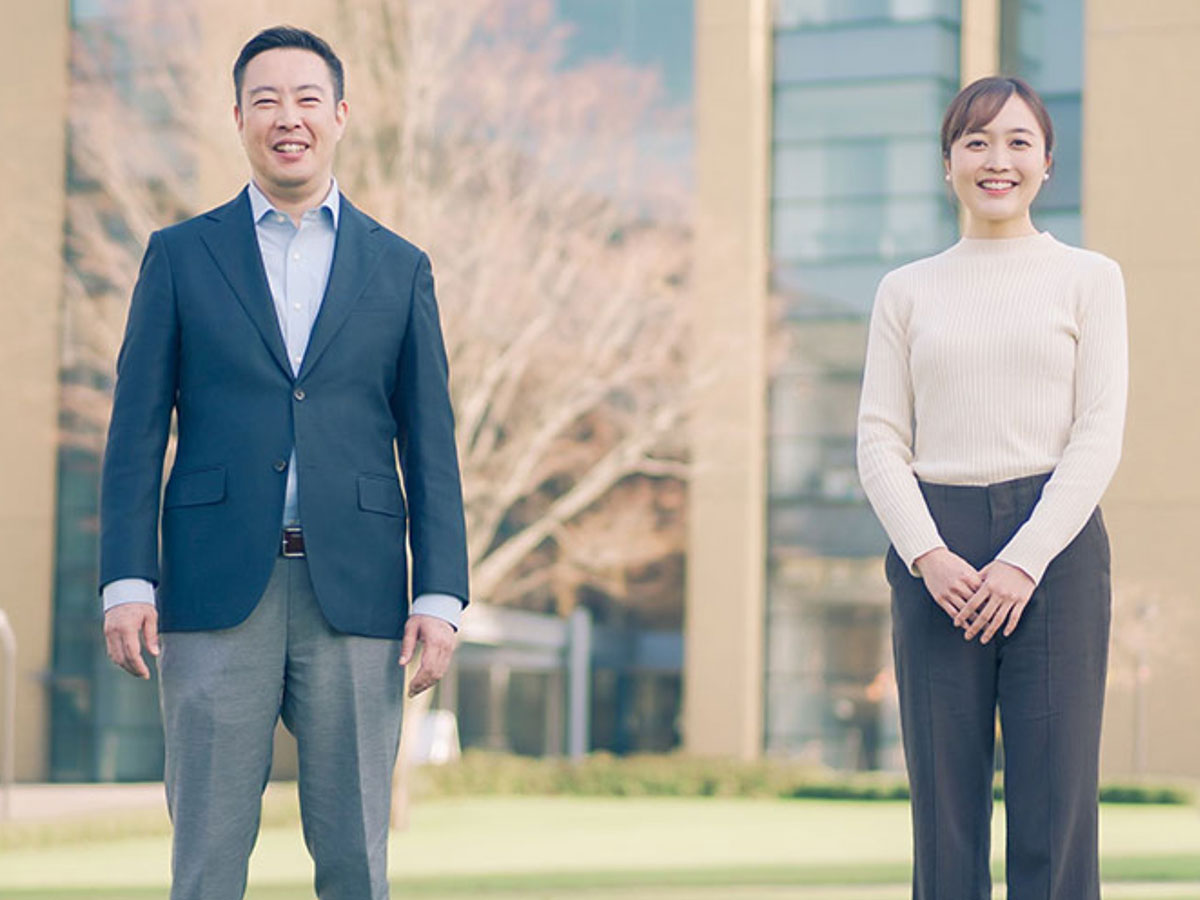
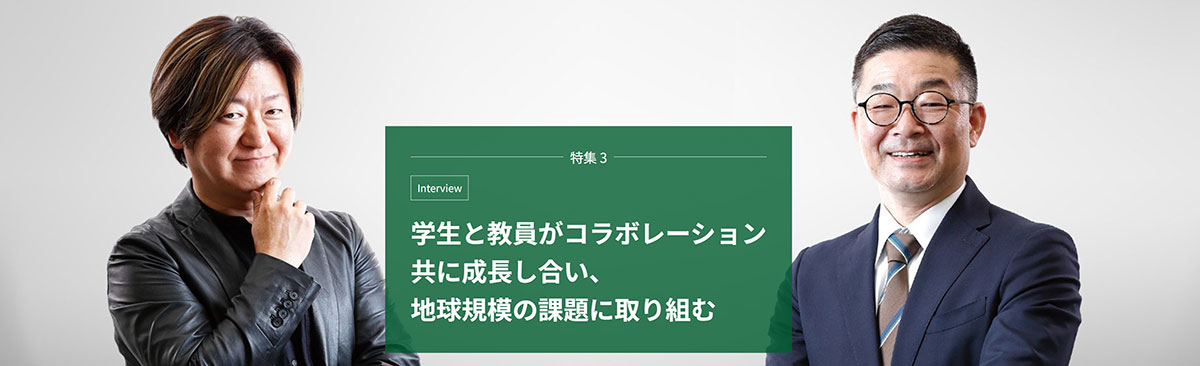
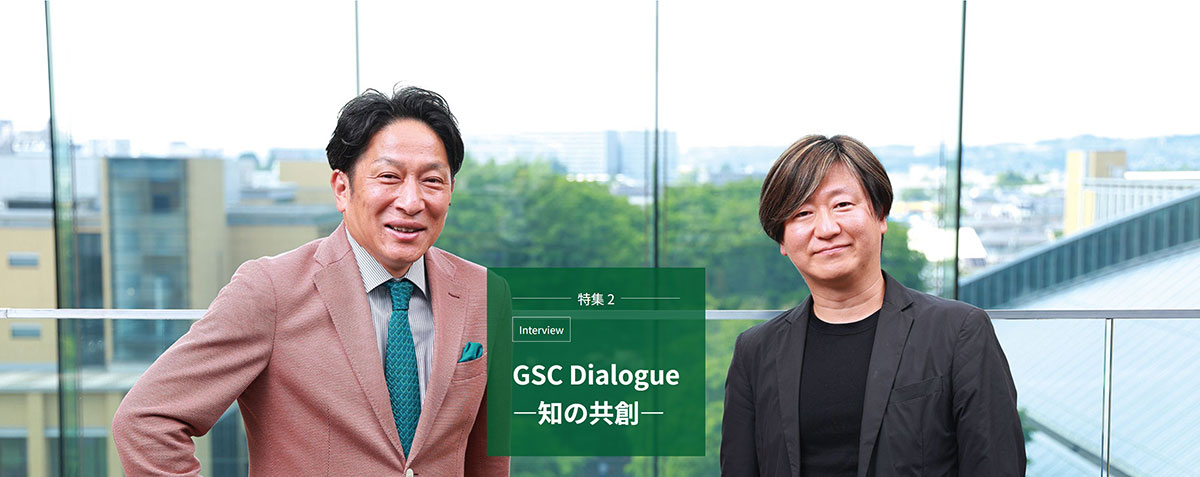
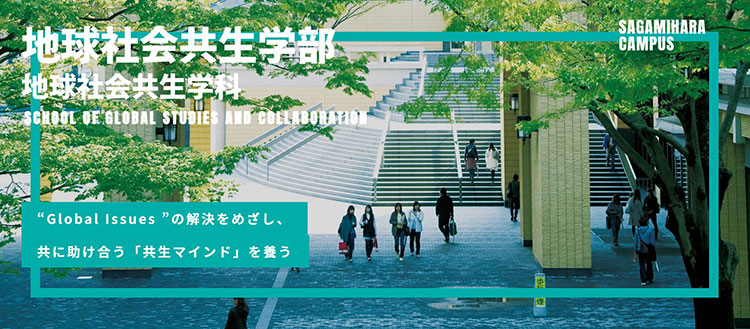
School of Global Studies and CollaborationEric Masashi Matsunaga General Manager speaks
The present and future of "GSC"
June 18, 2026
"A mindset of coexistence" and "globalization" are the two pillars of GSC.
The School of School of Global Studies and Collaboration Studies and Collaboration (GSC), which will celebrate its 10th anniversary in 2025, is becoming increasingly important in this era of change. In this article, we will introduce the present and future of GSC, focusing on the keywords "coexistence mindset" and "global."
Interview with the Dean of School of Global Studies and Collaboration
Professor, School of Global Studies and Collaboration Department of Global Studies and Collaboration
Eric Masashi Matsunaga
He holds a Master's degree in International Business Graduate School of International Politics, Economics and Communication Aoyama Gakuin University Graduate School. Leveraging his experience as a musician, he is active as a business consultant leading the digital age. After serving as an executive officer at Accenture Japan Ltd., IBM Japan Ltd., PwC Consulting LLC, and Deloitte Tohmatsu Consulting LLC (now Deloitte Tohmatsu LLC), he became a professor in School of Global Studies and Collaboration Department of Global Studies and Collaboration, Aoyama Gakuin University in 2019. He has held his current position since 2023.
[1] "Coexistence" is the starting point of GSC
While GSC is strongly associated with a global image, the faculty's starting point is actually a "mindset of coexistence." In today's increasingly globalized world, many challenges such as the environment, poverty, cultural friction, and diversity can no longer be solved by a single country or a single field of expertise alone. In this era, GSC was created as a place to practice the spirit of coexistence—the love for one's neighbor and respect for human dignity, which are derived from the Christian spirit that forms the core of Aoyama 's education—in a more global context. Knowledge and skills are updated with the times, but the attitude of imagining the pain and hopes of others, accepting differences without exclusion, and striving to live together is universal. In fact, this core principle becomes even more important in an era where division is more likely to deepen.
Christian education fosters the humanity that forms the foundation of coexistence. The servant leader who embodies Aoyama 's school motto, "Salt of the earth, light of the world," represents the basic ideal of coexistence. Through daily worship services, including ceremonies such as entrance and graduation ceremonies, and the "Introduction to Christianity" course in The Aoyama Standard, a university-wide general education system, students cultivate a spirit of altruism, respect and empathy for others, and equality—all essential for coexistence.
Related Link: AGU NEWS Special Feature: "Understanding the Youth Mind Through Required Subjects like 'Introduction to Christianity' and Worship Services"
High-quality educational programs support the practice of a symbiotic mindset. At GSC, students learn advanced specialized knowledge from four specialized areas (clusters): "Collaboration," "Economics and Business," "Media/Spatial Information," and "Sociology." They also gain rich experiential knowledge through six-month "Inter-Faculty Partnership Study Abroad Programs" with top universities in Southeast Asia. Of particular note is the diverse range of expertise and high quality of the faculty. In addition to advanced academic knowledge in each specialized field, many faculty members possess extensive practical experience, which is one of GSC's major characteristics.
For example, our campus is filled with vibrant and engaging classes taught daily by faculty members who have contributed to international development as staff members of organizations such as the Japan International Cooperation Agency (JICA) and the United Nations, as well as faculty members who are actively working on the front lines of business. We hope that students will take full advantage of this environment to have a more fulfilling university life.
[2] Studying abroad at an inter-faculty partner university offers significant opportunities for personal growth.
■ Key keywords: "Faculty-specific study abroad programs" and "Asian perspective"
Study abroad programs at partner universities are a cornerstone of the GSC curriculum. These programs generally take place for half a year, starting in the second semester of the second year, in Southeast Asia, specifically in Thailand, Malaysia, and Indonesia. Through studying, living, and interacting with local people on an equal footing, students gain a deeper, more tangible understanding of social issues and coexistence.
In today's increasingly globalized society, intercultural communication has become commonplace even within Japan. Furthermore, major issues such as environmental problems and conflicts must be addressed through cooperation with the international community. For this reason, GSC believes that studying abroad is no longer just for a select few, but a cornerstone of the curriculum that almost all students should experience. The fact that students with diverse personalities can experience studying abroad from their own perspectives and share their learning with each other is also a major attraction of studying abroad.
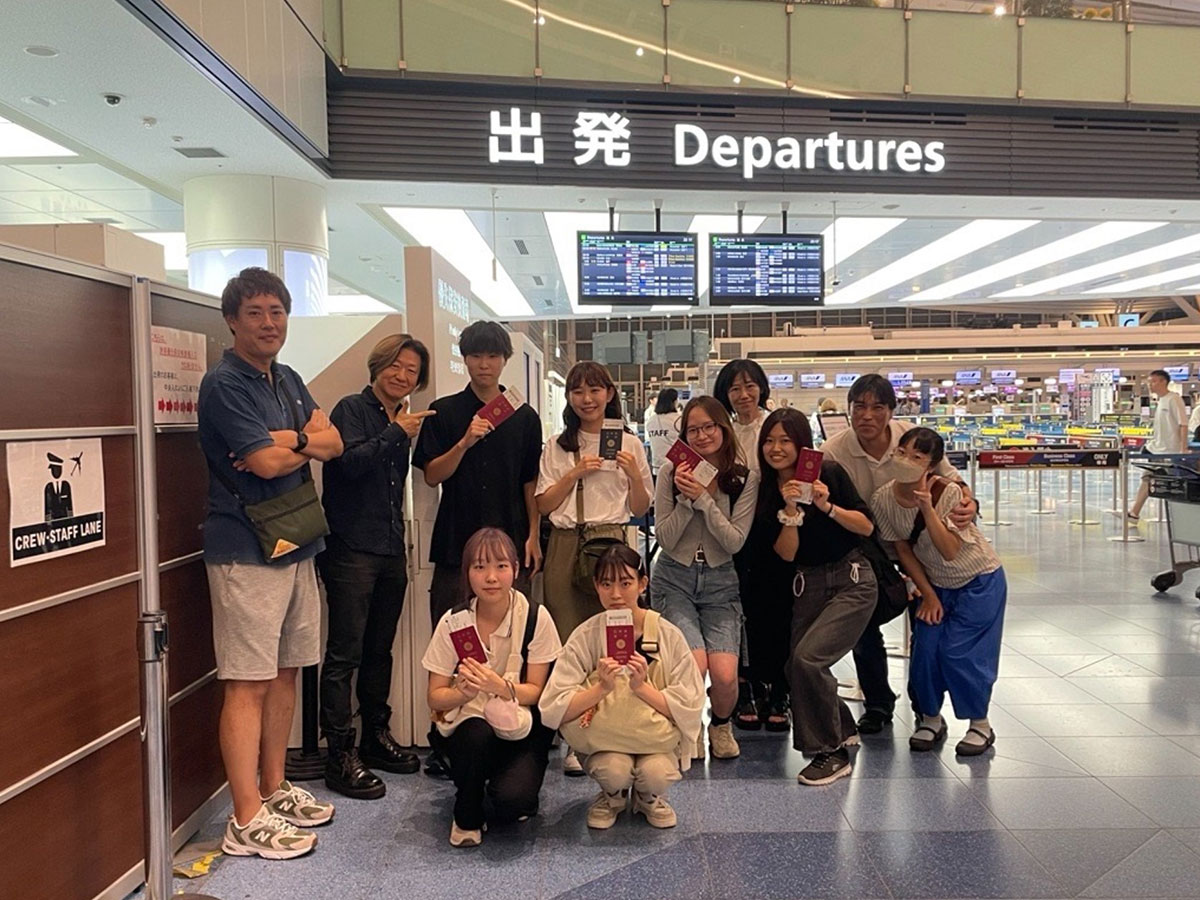
Professor Eric (second from the left in the photo) offers words of encouragement to students departing for their studies abroad. At this faculty, faculty members stay by students' side until the moment they leave, supporting their challenges.
The fact that the study abroad destination is Southeast Asia is also a crucial point. Rather than the conventional, Western-centric view of globalization, we consider the world starting from the Asian region of Thailand, Malaysia, and Indonesia, where diversity and growth intersect. This philosophy, which has remained unchanged since the school's founding in 2015, embodies GSC's unique pioneering spirit and practical knowledge. Furthermore, in order to realize study abroad programs aimed at cultivating students who can contribute to coexistence in a global society through experiential learning, we have made a commitment to partnering with top-class universities in each country. From an environment where GSC students and enthusiastic students from overseas learn and grow together, the next generation of servant leaders with a global perspective will emerge.
■ A meticulous support system to facilitate studying abroad in Southeast Asia
GSC, which promotes study abroad at universities in Southeast Asia, has established a meticulous learning program and support system to ensure that all students can study with peace of mind in their host countries. First, regarding English education, which is fundamental to intercultural communication, students take intensive classes taught by native speakers from their first year, aiming to achieve an IELTS score equivalent to that required for study abroad. Social themes are also appropriately covered in reading and listening classes. Through these classes, students acquire the English skills necessary to engage in in-depth dialogues on social issues with local people and students at their host countries. Furthermore, throughout the four years, academic English education is developed with the goal of acquiring English skills as a communication tool.
From the first year, students receive intensive English education from native-speaking instructors. This program not only develops the English skills necessary for studying abroad, but also provides a strong academic English education.
In "Basic Seminars I & II," students learn fundamental academic skills such as report writing. This course also serves as a hub connecting students with faculty members in their respective fields, allowing students to build new networks as their interests expand. In "Introduction to Studying Abroad in Asia I," students learn about the faculty's study abroad system, including not only the faculty itself, but also the meaning of studying abroad, the cultures of various countries, and points to note, aiming to enable them to apply to universities that match their study abroad goals. These four classes—English education, Basic Seminars I & II, and Introduction to Studying Abroad in Asia I—also function as places where students feel comfortable, and the close cooperation between faculty members in each class and staff from Academic Affairs Division prevents students from becoming isolated in their unfamiliar university life.
Upon arriving in their study abroad destination, students encounter lifestyles, religious views, economic disparities, and family structures that differ from the norms they had acquired in Japan, leading to a more multifaceted perspective on things. Building upon this experiential knowledge, they study specialized subjects alongside local university students and international students from other countries, conceptualizing their own experiences and reinterpreting them from a social science viewpoint. After returning to Japan, they organize their cross-cultural experiences and insights gained abroad as academic research, re-examining them through comparison with Japanese society, thereby enriching their learning. This learning cycle, which involves moving back and forth between practical experience and theory, cultivates the ability to formulate their own questions. GSC's originality stems from this learning process.
We are further advancing our study abroad initiatives, and in 2028, we will launch groundbreaking results-oriented courses where students will learn alongside students from top universities in Thailand, Malaysia, and Indonesia. Chulalongkorn University (Thailand), University of Malaya (Malaysia)) This program involves students from our university studying abroad at Gadjah Mada University (Indonesia). Beyond a semester of study abroad, the program includes online joint activities with other universities during the first semester after returning to Japan, followed by studying at our university alongside international students from each university during the second semester. This allows for continuous interaction and deepening of friendships with local students over a year and a half. We are also planning collaborative programs involving students from four universities, including ours, that address social issues.
Studying abroad is a series of failures and troubles. However, overcoming them builds confidence and courage to take on challenges, creating a cycle of growth. Through studying abroad, one student developed a strong ability to express their own thoughts while accepting the opinions of others. Another student came to say, "There are realities in society that cannot be simply divided into right and wrong, and that is precisely why dialogue is necessary." A common sentiment heard from students who have completed their studies abroad is, "Overseas, there are many situations where you are asked to consider your perspective as a Japanese person." In everyday conversations with foreign friends, they may be asked, "What are your thoughts as a Japanese person on current social issues and past wars?" This is precisely the moment when a global perspective is cultivated, and I hope that students will hone their ability to express their own concerns and opinions on these major themes in their own words. Furthermore, I hope that when a problem arises, students will not judge "who is good or bad," but rather discuss positively "what should we do?" This is where the strengths of studying abroad for all students come into play.
[3] GSC's New Initiatives
■ The "First Steps" series to enhance thinking skills
In the 2026 academic year, we introduced new courses for the first-year general foundation subjects. These are "Introduction to Philosophy," "Introduction to Statistics," "Introduction to Programming," and "Introduction to Global Issues." These courses were established to cultivate the ability to discern reliable information, develop a precise awareness of problems, and proactively realize coexistence in today's world, where a mix of reliable and unreliable information abounds due to the evolution of IT, including AI.
In "Introduction to Philosophy," we learn philosophy as a skill to enhance our thinking abilities. By acquiring new ways of thinking, we can grasp things more deeply, see them from different perspectives, and propose new values. In fact, the ability to think is essential when practicing coexistence. This is because developing the habit of thinking for oneself makes one's sensibilities more flexible, deepening understanding and empathy for others. We hope that by acquiring philosophical skills, you will enrich your experiences in studying abroad, seminars, and life in general.
"Introduction to Statistics" teaches you how to correctly interpret data and cultivates the ability to view things objectively. In class, you will learn the skills to obtain, analyze, and interpret data appropriate to your own interests, focusing on topics that interest you.
In "Introduction to Programming," students will develop logical thinking and problem-solving skills through learning algorithms and programming. We hope they will experience the joy of programming through activities such as creating original apps.
"Introduction to Global Issues" is an introductory course on global issues (various problems that transcend national borders due to the progress of globalization), such as economic inequality, human rights issues, conflicts, and environmental problems. The course aims to deepen understanding of these issues and encourages students to consider actions to address them. Based on the study abroad experience in the second year, the course focuses primarily on Southeast Asia.
■ Various collaborations are being developed throughout the faculty.
At GSC, we prioritize demonstrating coexistence through our faculty, and they proactively take on various challenges in collaboration. This includes not only collaboration between GSC seminars, but also active inter-faculty collaborations led by the deans Sagamihara campus (Faculty of Science and College of Science and Engineering, School of Social Informatics, School of Global Studies and Collaboration, and General Manager of College of Community Studies) in entrepreneurship classes and the AGU Future Eagle Project. Furthermore, the circle of collaboration is expanding, with inter-university partnerships with other universities in Sagamihara area progressing. I call this kind of cross-disciplinary collaboration an "Avengers-style approach *." People are excited by situations where unexpected members come together and unleash even greater power. I hope students will also be inspired by these collaborations and get excited about "how we can all transform current academic fields for the future." I believe that if this circle expands, the world will surely change.
* This is a metaphor for a dynamic co-creation style in which the "knowledge" of individuals with different areas of expertise and backgrounds comes together to tackle social issues that are difficult to solve alone. Just as heroes utilize their respective special abilities, it refers to an attitude of respecting each other's expertise and creating synergy to generate a great impact that surpasses the limits of each individual.
[4] Message to students
■ GSC graduates who are active across borders
GSC graduates pursue diverse career paths, including corporate employment, international fields, and entrepreneurship. In recent years, corporate social responsibility has become a major social issue, and ESG (Environment, Social, Governance) perspectives have become essential for companies to grow in the long term. This ESG way of thinking is precisely the stance of coexistence that GSC students acquire over four years. Furthermore, GSC students have the ability to consider social issues and business without separating them. Rather than focusing solely on profit or idealism, they consider meaningful systems while looking at reality. This perspective is what is needed in modern society, and it is this that allows GSC graduates to succeed in a wide range of fields.
■ GSC is a place for practice and transformation toward the future.
Having celebrated its 10th anniversary, GSC believes it has entered a new phase of development. Going forward, we intend to pursue educational reform and innovation more proactively than ever before.
GSC is an educational environment that emphasizes practice and transformation. Therefore, we especially welcome students who want to identify challenges and create new value without remaining stagnant. It's okay if you don't have a clear goal. In fact, GSC's learning is especially open to those who have vague doubts or unease about society and common sense. Not all your questions will be answered by studying at GSC. However, as you learn and grow, the resolution of your own questions will surely increase significantly.
It is said that we are living in an age of anxiety and division. As an alternative framework to the unpredictable "VUCA (Volatility, Uncertainty, Complexity, Ambiguity)," "BANI (Brittle, Anxious, Non-linear, Incomprehensible)" has gained new attention. It is precisely in times like these that the word "coexistence" holds even greater power. Instead of standing still and thinking, "This is the reality, so there's nothing we can do about it," there must be something we can change now. I hope you will believe in that possibility and learn and act with a spirit of coexistence, saying, "Let's try it together first."
In this era of constant transformation, one can also see it as a treasure trove of opportunities. "Creating a bright future is exciting and fun!"—Through your studies at GSC, we hope that you will develop this feeling and go on to become servant leaders who play an active role on the world stage.
Seminar Introduction (AGU LiFE)
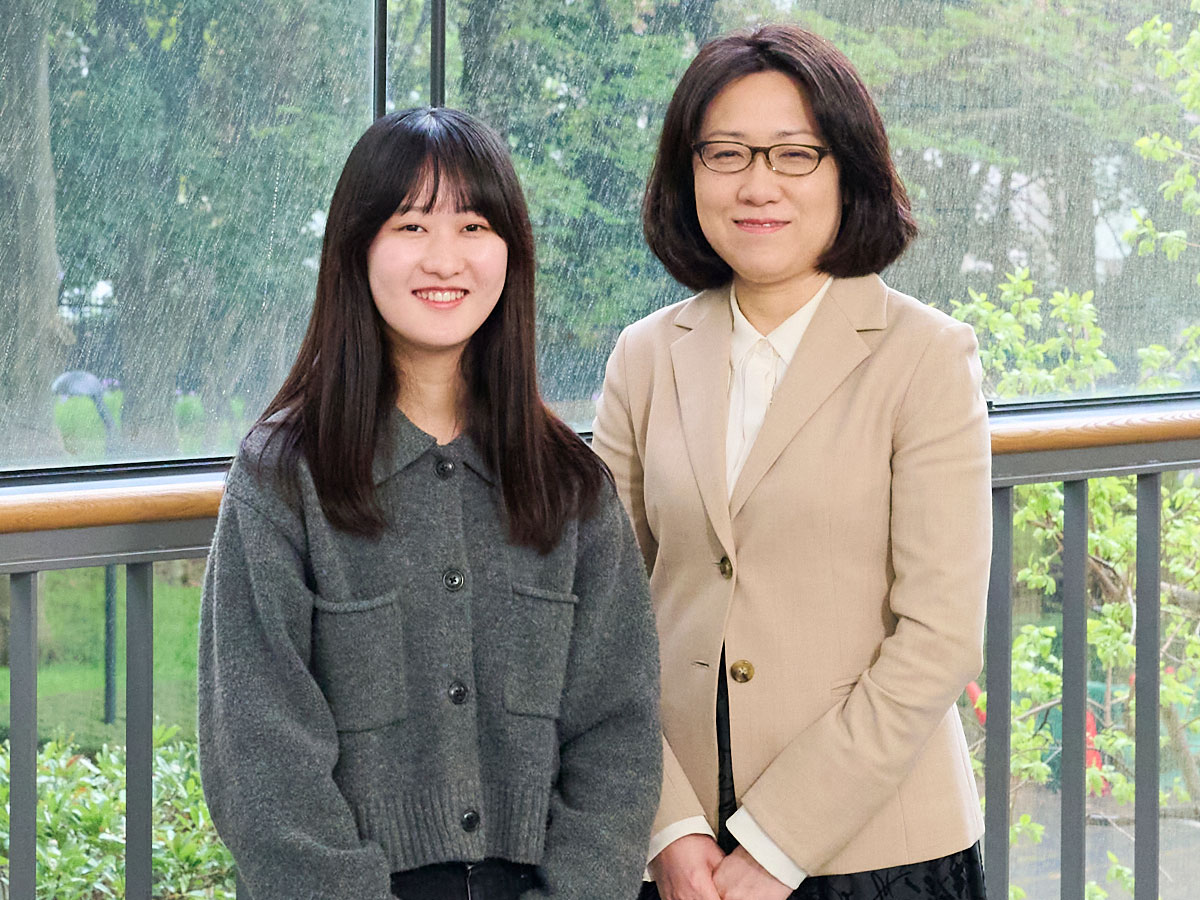
Student and Alumni Profiles (AGU LiFE)
Research Introduction (AGU RESEARCH)
*The years of employment, Position, activities, etc. of the people listed are current at the time of the interview.